
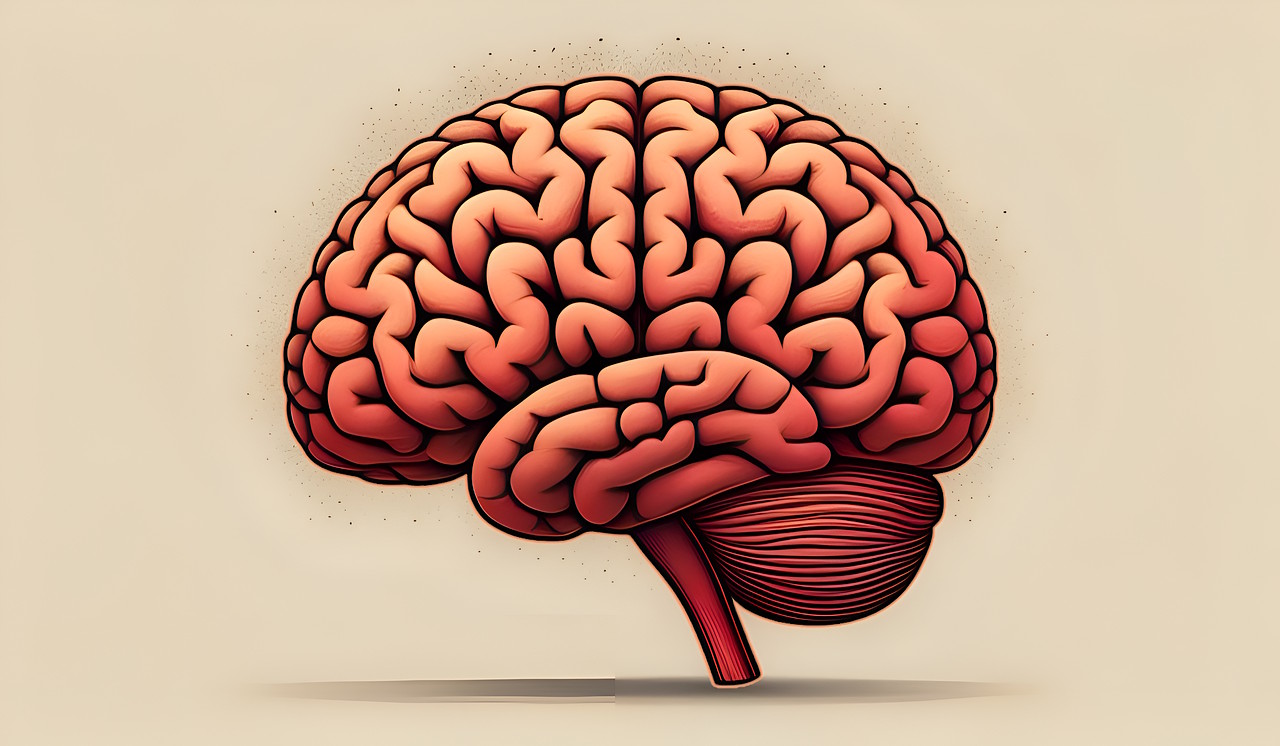
Children who develop brain cancer at a young age and have to undergo radiation therapy to the brain often have permanent brain damage as a result of the long-term inflammation that occurs as a result of the radiation. The initial inflammation that occurs after brain irradiation is beneficial for the patient. However, the radiation also causes continued inflammatory activity in the brain that is harmful to cognitive development (mental development). Therefore, children under the age of 4 are not irradiated.
Pre-clinical studies
When Jan-Erik Juto, co-inventor of INMEST, met Klas Blomgren, professor and chief physician in pediatrics at Astrid Lindgren Children’s Hospital at Karolinska University Hospital, a discussion arose about INMEST’s anti-inflammatory effect. This led to the initiation of two studies to investigate whether treatment with INMEST can reduce inflammation in the brain after radiotherapy. Grants for the studies were applied for and granted by the Swedish Childhood Cancer Fund.
The study began in 2017 at Karolinska Insitutet. The research leader is Klas Blomgren.
This type of early studies cannot, for obvious reasons, be done on children but are primarily done on rats and mice. The studies that have now been conducted demonstrate a significant decrease in activity in microglia cells (a strong indicator of reduced inflammation in the brain) after repeated (3–4) treatments with INMEST. The treatments were given under anesthesia for two weeks after radiation therapy with 10 Gray was given. The results are interpreted as a strong signal for reduced inflammation in the brain after treatment with INMEST.
The second project studied inflammation in a rat model of brain damage in the newborn period (perinatal asphyxia). The animals were housed in an oxygen-deficient environment according to this study protocol. The study showed that inflammation was reduced by INMEST and neurological function was improved by the treatments in females, but not in males.
The two different projects are in the final stages of manuscript writing, with Klas Blomgren’s research group expecting to publish the results in 2025.