
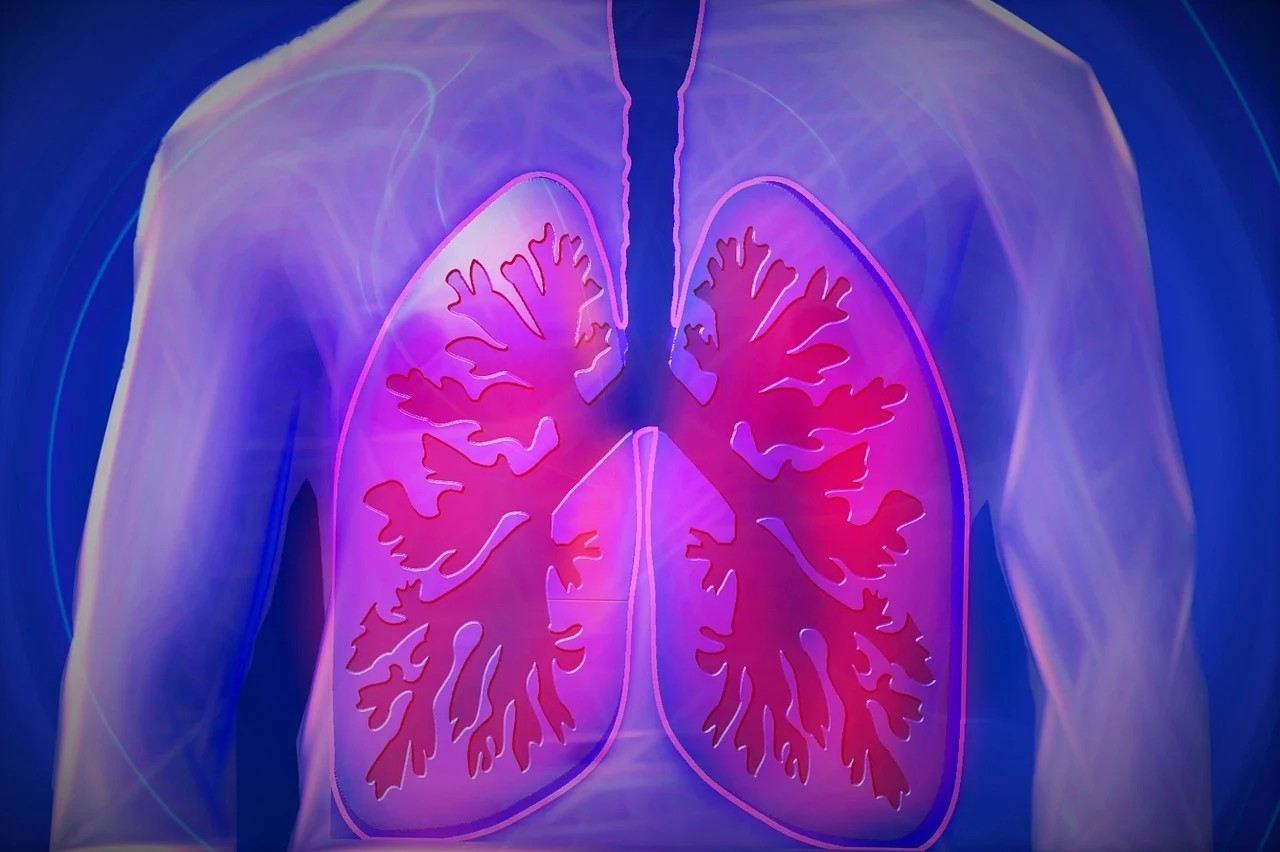
In Sweden, it is estimated that up to 700 000 people have COPD. The disease is characterized by a constant decrease in airflow in the lungs due to narrowing of the outermost, thinnest bronchi, which makes it difficult to oxygenate the blood. Simply put, patients suffer from constant shortness of breath.
The dominant cause of COPD is smoking – almost 90% of all people who get COPD are, or have been, smokers for a long time. COPD cannot be cured, but exercise and bronchodilators can improve quality of life and maintain lung capacity. The disease is individual, and some people have no major problems while others gradually deteriorate – often with a fatal outcome.
Study
A study was conducted in 2017–2018 at St. Göran’s Hospital in Stockholm under the direction of Karin Sandek, a specialist in internal medicine with a focus on lung diseases and with a doctoral thesis on COPD. The study included 12 patients with pure COPD, i.e. without chronic bronchitis or asthma. 9 patients completed the study. The patient group consisted of both men and women aged 59 to 79 years with COPD of severity 2–3 on an MRC scale (MRC is a questionnaire where the degree of dyspnea, or shortness of breath, is measured/estimated by the patient themselves on a 5-point scale).
The patients received a total of 10 INMEST treatments, 3 per week for just over 3 weeks.
Results
The study results showed that:
- 8 out of 9 patients estimated that their COPD was improved after the treatment.
- 4 out of 9 patients had at least one step improvement on the 5-point MRC scale.
- On average, the improvement in the 6-minute walk test was 4.5% (18 meters) but 4 patients had an improvement of 10–20%.
- 4 out of 7 patients showed significant improvement in lung capacity (100 ml or more) measured by spirometry.
Notably, the patients described that improvement began to occur after 6–7 treatments out of a total of 10 they received. Based on the knowledge we have today, it is likely that an increased number of treatments would further enhance the results.
Subjective improvement in breathing was described by some patients to last many months after the end of treatment.
Next steps
Since the COPD study was too small to demonstrate with statistical certainty a positive effect of INMEST, the idea was to continue with two larger studies – one with COPD patients and one with COPD/asthma. Unfortunately, it proved very difficult to find patients with only COPD, which meant that further studies were put on hold in order to be able to continue when suitable patient groups were found.
Our goal is to continue the studies in 2025, either by ourselves or in collaboration with another research group. This study is planned to consist of 100 patients who will receive 3 treatments over a period of at least 6 weeks, i.e. 18 treatments. The study should be placebo-controlled.
Interesting observation
In the COPD study mentioned above, three patients were examined with ultrasound of the heart, focused on the pulmonary circulation. This showed that INMEST treatment lowered the pressure in the pulmonary circulation to normal levels. It is well known that COPD patients have elevated pressure in the pulmonary circulation.
Possibly, the normalization of the pressure is an explanation for the fact that the COPD patients felt better, and this can thus be an important piece of the puzzle in order to understand the disease and find effective remedies. Another possible explanation is that in COPD there is usually a chronic inflammation that causes swelling in the affected tissue (airways). Possibly the known anti-inflammation effect of vagus nerve stimulation with INMEST reduces swelling in the airways, whereupon air flows more easily to and from the lungs.